The mechanism took years to prove and gets two minutes to land. Built one step at a time, it builds in the physician’s head instead of asking them to decode a dense slide. And each physician goes as deep as they want. A mechanism of action animation is not the goal. Understanding is.





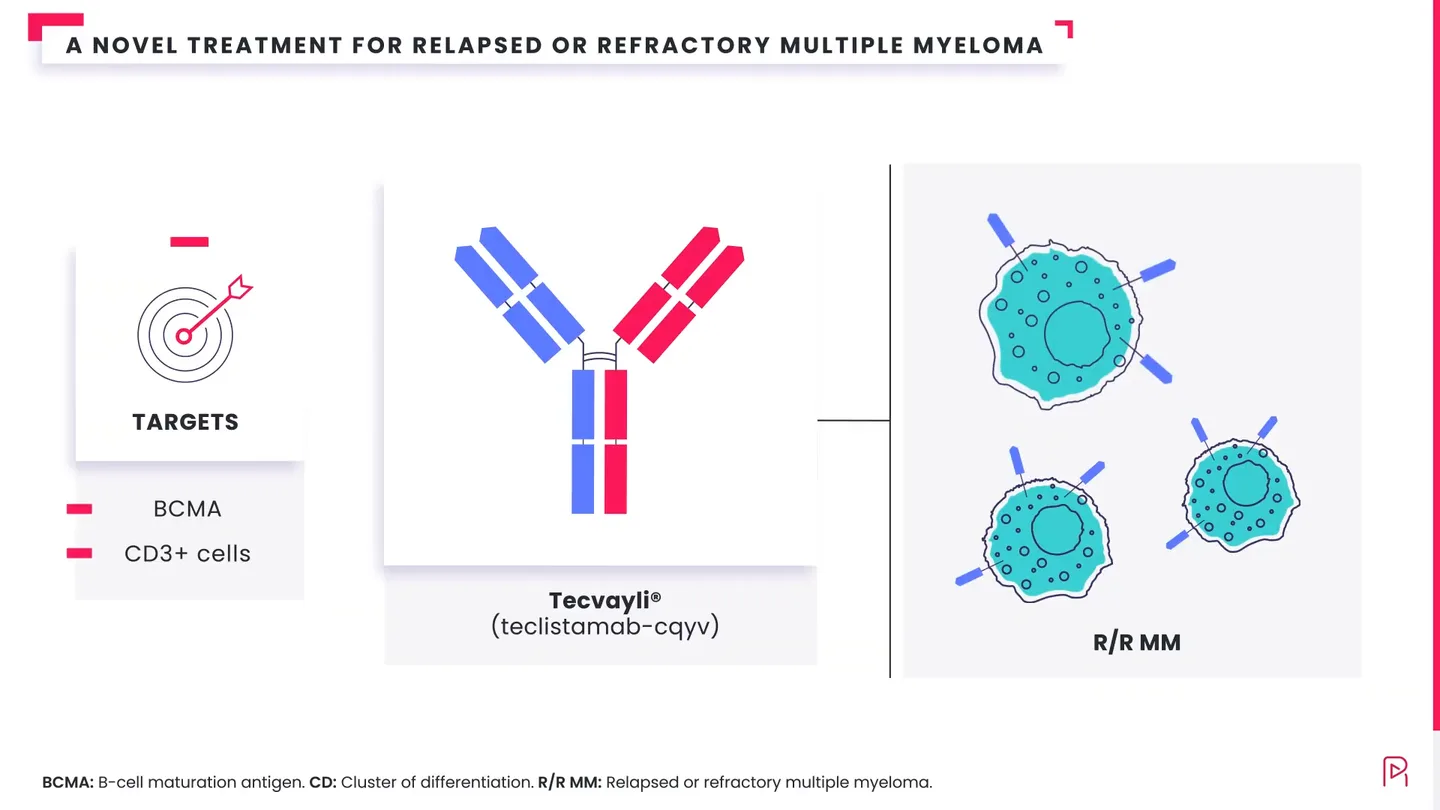
On the left, the mechanism as a slide asks the physician to picture the motion. As a scene, the motion is already there. Watch it switch.
The same approved animation serves the generalist who needs the gist and the specialist who wants the molecular detail. Pick a depth and watch the same mechanism meet it.
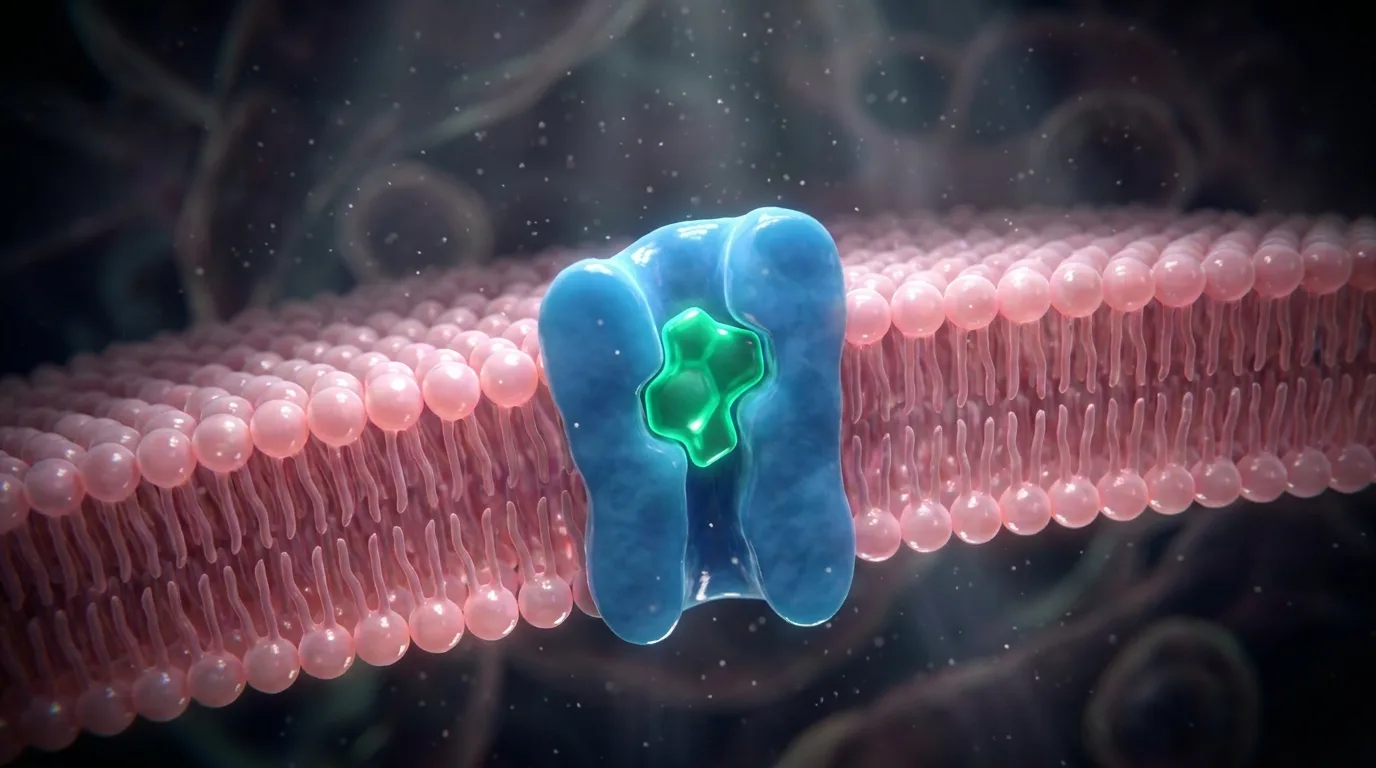
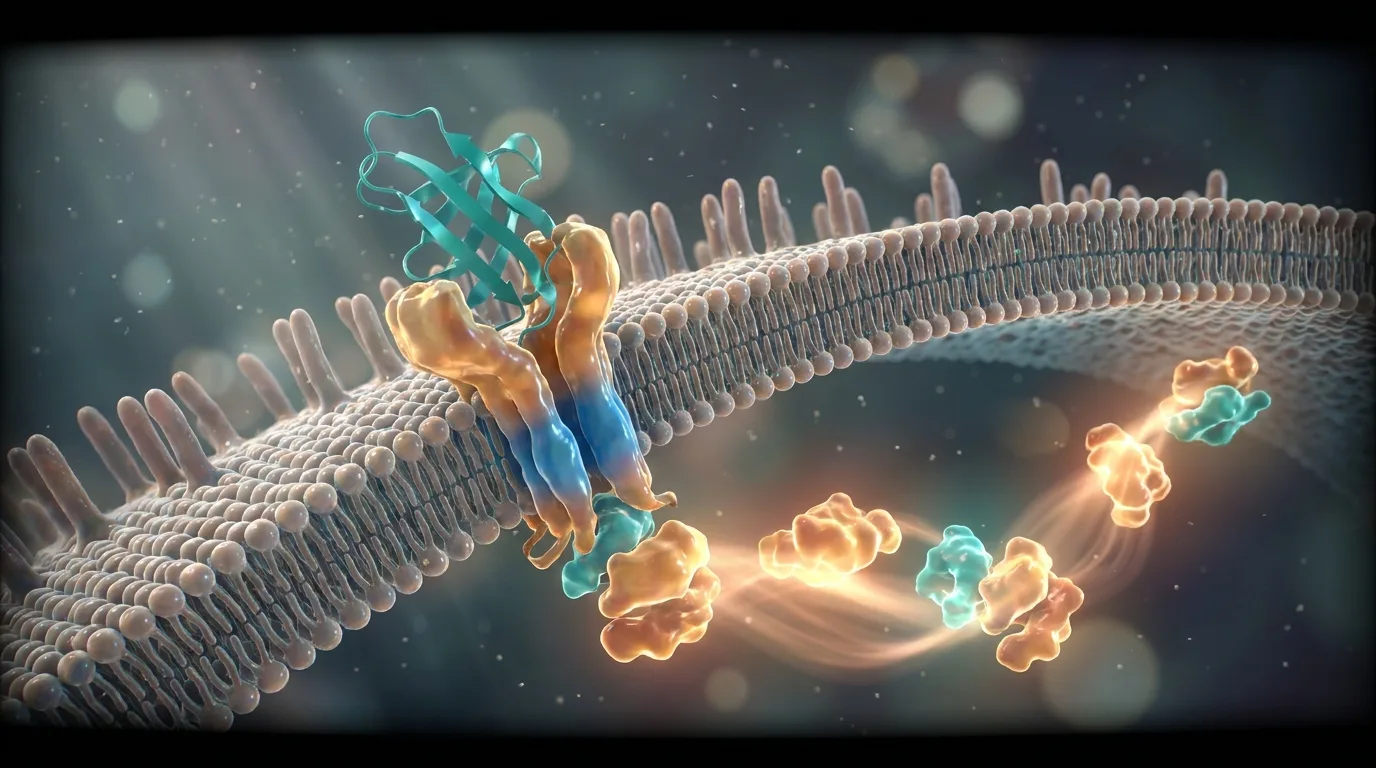
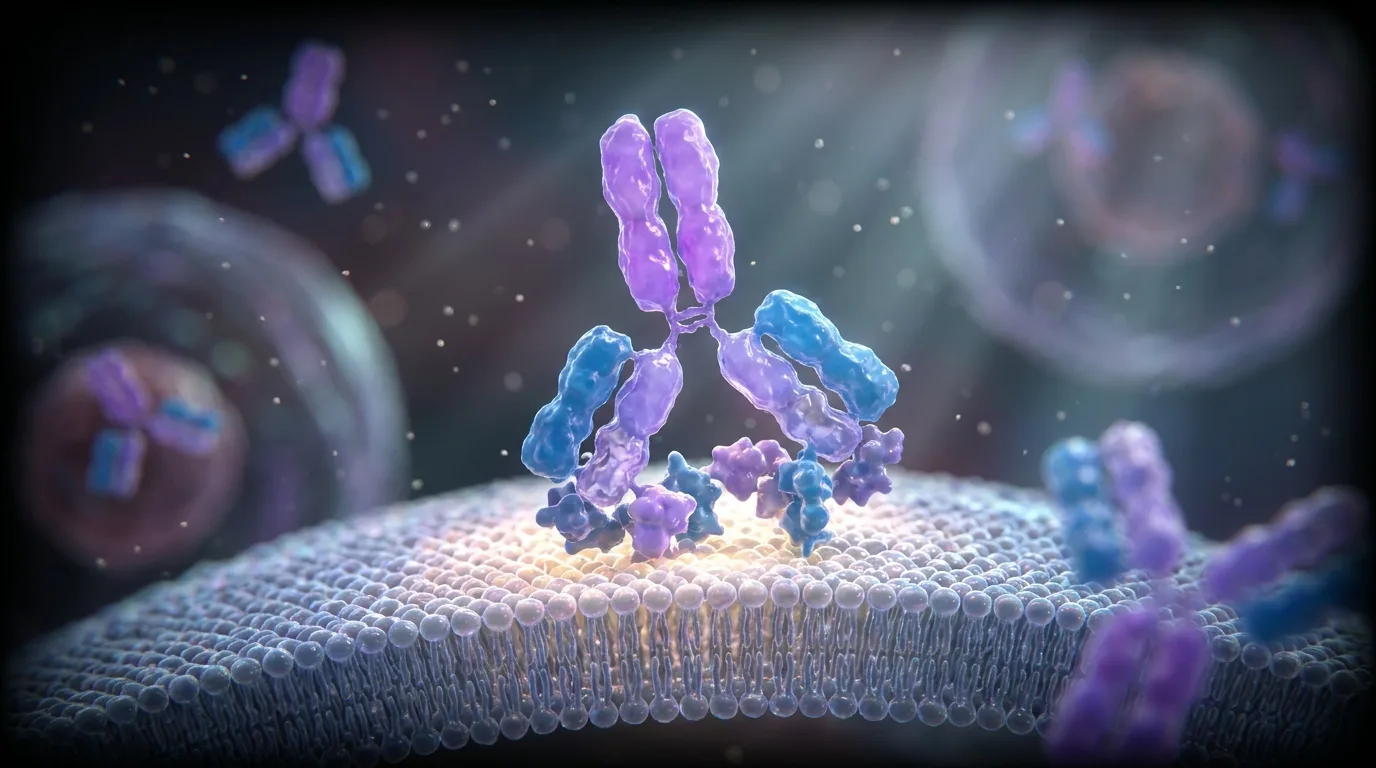
The molecule binds its target and switches the pathway off. That is the takeaway, and for a lot of physicians it is all they need before they move on.
The same approved animation lands on two very different desks. Tap a physician and watch their route through it change. One follows the binding step by step; the other needs only what it means at the bedside. Neither sits through the other’s part, and it is all one MLR review.

The Impact Gap Report 2026 · free. That number, next to 60 more like it, and what the evidence says actually gets read.
See the whole picture →
Small molecule, biologic, cell therapy, vaccine. You bring the science and the target. We do the heavy lifting.
2:04How the molecule finds and binds its target, at the scale it happens.
1:52The pathway that follows, shown step by step instead of stacked on one slide.
2:18The synapse forming, the response starting, the interaction made visible.
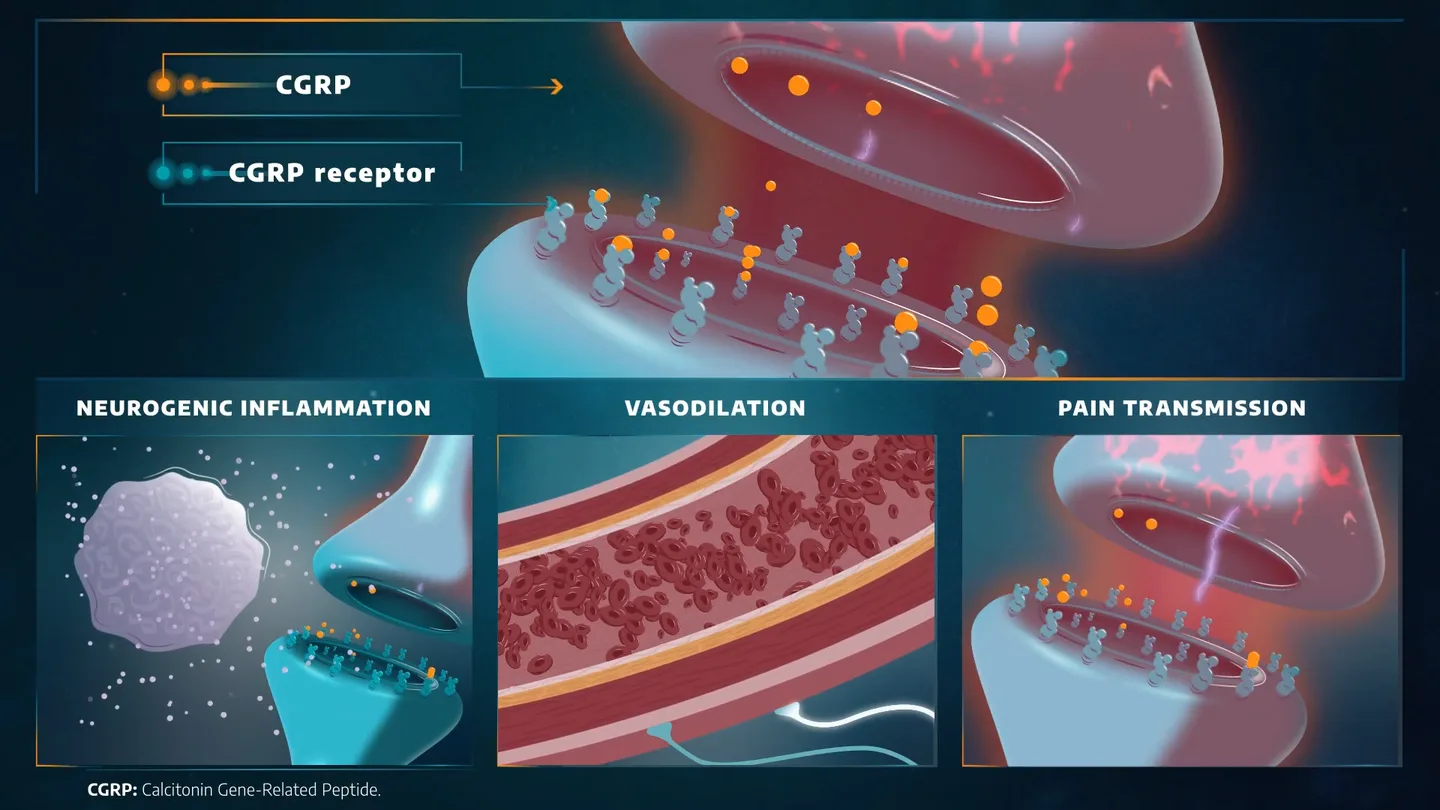 1:36
1:36Why a mechanism stops working, so the next step in the story makes sense.
We change how it is shown, never what it says. Every element maps to your source, so the animation is built for MLR from the first frame.
One approved core carries into every market and language you serve, without rebuilding the biology each time.
“They did not just watch it. The registrar went two levels deeper on her own.”
Send the figure and the paper it came from. We will show you the scene it becomes and how a physician would explore it, at their depth. On the house. No promises.
Both. It plays on its own for the physician with 30 seconds, and it opens up for the one who wants the full molecular detail. Same approved mechanism, one review, and with PubVisual Engage on top, interest becomes an approved next step inside the story.
Never. We change the format, not the science. Every element maps to your approved source, so the animation makes the same claims your figure already does.
Yes, that is the usual starting point. Bring the figure and the source it came from; we map it, model it, and set it in motion.
Anywhere the mechanism needs to be understood: a standalone film, a congress screen, a rep’s tablet, or inside a larger interactive story. One approved core, many placements.
We will not tie it to a fixed date. You approve the core the normal way, at script, storyboard, and final animation. From there, that same approved core carries every version, so new cuts and languages do not restart the scientific review. The overall pace tracks your own review, which we plan around with you from day one.
Yes. Because every element traces to an approved claim, it is structured for MLR from the first frame and fits your existing Veeva workflow.